
Japanese induction cooktops transcend mere functionality; they embody a meticulous aesthetic that seamlessly blends minimalism, sustainability, and sophisticated design. From the choice of materials to the integration with surrounding kitchen elements, these cooktops offer a glimpse into a design philosophy that prioritizes both form and function.
This exploration delves into the core characteristics of Japanese induction cooktop design, examining color palettes, materials, and design elements. We’ll also explore the cultural and historical context that shapes this aesthetic, contrasting it with international design trends and highlighting contemporary interpretations.
Defining the Aesthetic
Japanese induction cooktops embody a sophisticated blend of functionality and aesthetics, reflecting the nation’s deep-seated cultural values. This design philosophy prioritizes minimalism, efficiency, and a harmonious relationship between the appliance and the surrounding kitchen environment. The aesthetic draws on a rich history of craftsmanship and a preference for understated elegance.Japanese design, often characterized by its emphasis on simplicity and practicality, translates directly to the induction cooktop.
The aesthetic prioritizes clean lines, muted color palettes, and a focus on the seamless integration of the appliance into the kitchen’s overall design. This approach prioritizes functionality without sacrificing visual appeal.
Core Characteristics of Japanese Induction Cooktop Design
Japanese induction cooktops are renowned for their uncluttered aesthetic. The design often features a minimalist approach, with a focus on smooth surfaces and subtle contours. Emphasis is placed on the functionality of the appliance and how it interacts with the kitchen environment.
Color Palettes and Material Choices
The color palettes commonly employed in Japanese induction cooktops are often muted and neutral. Off-whites, grays, and subtle shades of beige are prevalent, creating a serene and unassuming atmosphere. Materials frequently used include high-quality stainless steel, tempered glass, and sometimes, subtly colored ceramic, each selected for its durability and aesthetic appeal. The materials chosen contribute to a sense of quality and sophistication.
Design Elements
Key design elements frequently found in Japanese induction cooktops include concealed controls and touch-sensitive interfaces, maximizing the cooktop’s clean lines. Integrated features, such as built-in temperature sensors and automatic shut-off mechanisms, enhance functionality and safety. The emphasis is on integrating the appliance seamlessly into the overall kitchen design, allowing it to become a subtle yet essential part of the space.
Cultural and Historical Influences
The Japanese aesthetic is deeply rooted in the nation’s history and cultural values. A focus on minimalism and functionality has been a constant thread throughout Japanese design traditions. The influence of Zen Buddhism, with its emphasis on simplicity and harmony, is evident in the design philosophy of Japanese induction cooktops. The concept of “ma” (negative space) and the overall pursuit of a balanced, serene environment are also key influences.
Principles of Minimalism and Functionality
Japanese design prioritizes minimalism, which translates into a focus on essential elements and the elimination of unnecessary details. This translates to sleek designs, uncluttered surfaces, and a clear emphasis on the appliance’s core function. The design principles of functionality and usability are paramount. Every element is meticulously chosen to optimize performance and user experience.
Relationship Between the Cooktop and Surrounding Kitchen Environments
Japanese induction cooktops are often integrated into a wider kitchen design that emphasizes a seamless flow between different areas. The cooktop’s design complements the surrounding cabinetry and countertops, creating a cohesive and aesthetically pleasing environment. The design ensures a harmonious balance between the appliance and the space, maximizing its visual and practical impact. This focus on creating a holistic and integrated space is a significant aspect of Japanese design principles.
Material and Color Palettes
![[Japanese Aesthetics] on Behance | Japanese restaurant design, Japandi design, Japanese interior](https://luxeempire.web.id/wp-content/uploads/2025/06/top_10_japanese_kitchen_aesthetics_appliances_yanko_design_07.jpg "[Japanese Aesthetics] on Behance | Japanese restaurant design, Japandi design, Japanese interior")
Japanese induction cooktops are renowned for their minimalist aesthetic, blending seamlessly into modern kitchens. This design philosophy extends to the careful selection of materials and colors, prioritizing both visual appeal and functional performance. The choice of materials directly impacts the cooktop’s durability, heat distribution, and overall aesthetic integration into the surrounding environment.The materials and colors used in Japanese induction cooktops are carefully curated to reflect a blend of practicality and cultural aesthetics.
This approach contrasts with international designs, often prioritizing different functional or stylistic elements. The resulting aesthetic is a testament to the delicate balance between functionality and design that characterizes Japanese design principles.
Material Choices
Japanese induction cooktops often favor materials known for their durability, sleek appearance, and seamless integration into the kitchen’s overall design. Stainless steel, glass, and sometimes wood are common choices, each contributing to the distinct aesthetic.
- Stainless steel is a prevalent choice due to its inherent strength and resistance to scratches and stains. Its reflective properties create a clean, modern look, mirroring the Japanese emphasis on simplicity and order. The polished finish and minimal seams contribute to the cooktop’s visual appeal, enhancing its integration into contemporary kitchens.
- Glass, particularly in white or off-white tones, is another popular option. Its transparency allows for a clean, uncluttered view of the cooking surface, enhancing the sense of spaciousness and order. The smooth, non-porous surface of glass also facilitates easy cleaning and maintenance.
- Wood, often incorporated as accents or decorative borders, adds a touch of warmth and elegance to the design. The natural grain patterns and color variations of the wood provide a tactile contrast to the typically smooth, polished surfaces of the cooktop, subtly grounding the design.
Color Palettes
Color palettes in Japanese induction cooktops are predominantly neutral, reflecting the Japanese aesthetic’s preference for minimalism and harmony with the surrounding environment. Neutral colors such as silver, white, and natural wood tones create a calming and uncluttered atmosphere. The choice of colors contributes significantly to the visual appeal and the overall emotional response evoked by the cooktop.
- Silver, derived from stainless steel, evokes a sense of modernity and sophistication, while white glass creates a feeling of spaciousness and cleanliness. These colors complement a wide range of kitchen designs, from contemporary to more traditional settings. The subtle color palette minimizes distractions, allowing the user to focus on the cooking process.
- Natural wood tones, such as light browns and beige, introduce a touch of warmth and elegance. These colors evoke a sense of natural beauty and comfort, creating a more inviting and homey atmosphere. The contrast between the cool metallic or glass surfaces and the warm wood accents creates a harmonious balance.
Material and Color Comparison
Different cultures and design trends emphasize different aspects of cooktop design. International designs may prioritize different materials and colors, depending on cultural preferences and local manufacturing practices. For instance, some international designs might favor more vibrant colors to reflect a more playful or bold aesthetic, or incorporate more unusual materials for a distinctive visual appeal.
Design Elements and Features
Japanese induction cooktops, reflecting a deep-seated cultural preference for minimalism and functionality, prioritize design elements that seamlessly integrate into the kitchen’s aesthetic. This focus on refined simplicity and intuitive operation is a key component of the overall appeal. The seamless transitions and minimalist lines, combined with carefully considered material choices, create a sense of calm and sophistication that is both visually and functionally pleasing.Japanese design philosophy, deeply rooted in the concept of “侘び寂び” (wabi-sabi), emphasizes the beauty of imperfection and the appreciation of natural materials.
This aesthetic translates into the design of induction cooktops, fostering a sense of harmony and quiet elegance within the kitchen. The visual hierarchy of components, from the control panel to the integrated functionalities, is meticulously crafted to maintain a serene and uncluttered feel.
Control Panels
The control panels on Japanese induction cooktops often employ a minimalist design language. Touchscreen interfaces, frequently used, offer intuitive operation and a clean visual aesthetic. The use of high-quality materials, such as brushed aluminum or smooth ceramic, adds a tactile dimension to the control experience. Precise placement of controls and clearly marked buttons minimize confusion, making the cooktop user-friendly.
Some models incorporate subtle lighting accents that highlight the controls, enhancing their visibility and elegance without distracting from the overall calm aesthetic.
Displays
Displays on Japanese induction cooktops are typically small, concise, and well-integrated into the design. Large, overwhelming displays are avoided. Instead, the displays focus on presenting crucial information, such as temperature, power level, and cooking time, in a clear and concise manner. The font used is often clean and modern, complementing the overall aesthetic. Displays often incorporate subtle color palettes, blending seamlessly with the surrounding materials.
This integration is crucial in maintaining the seamless aesthetic.
Integrated Functionalities
Japanese induction cooktops often integrate advanced functionalities beyond basic cooking. Features like automatic cooking programs, precise temperature control, and safety mechanisms are integrated discreetly, without overwhelming the overall design. For instance, subtle indicators, such as a soft glow around the selected cooking zone, signal active functions without requiring large, prominent displays. These integrated features emphasize both functionality and aesthetics.
Visual Hierarchy
The visual hierarchy of design elements is paramount in achieving the intended aesthetic. The control panel, often positioned centrally, is given visual prominence. The display, while visible, is subordinate to the control panel, maintaining a balanced aesthetic. The cooking zones themselves are presented in a clean and organized manner, contributing to the overall visual harmony.
Ergonomics and Usability
Japanese design prioritizes ergonomics and usability, emphasizing intuitive operation and comfortable use. This extends to the layout of the control panel, the size of the cooking zones, and the overall dimensions of the cooktop. The focus on seamless transitions and minimalist lines contributes to an intuitive user experience. This is further emphasized by a thoughtful placement of controls, ensuring that they are easily accessible and readily identifiable.
Seamless Transitions and Minimalist Lines
Seamless transitions between different elements, from the control panel to the cooking zones, are key to achieving the aesthetic. Minimalist lines and clean edges minimize visual clutter, focusing attention on the functionality and elegance of the cooktop. Rounded corners and smooth edges further contribute to a serene and sophisticated look. The materials used in construction are carefully selected to reinforce this minimalist aesthetic, often incorporating brushed metal finishes or sleek ceramic surfaces.
Calm and Sophistication
The combination of all these elements—refined control panels, integrated functionalities, clear displays, and minimalist lines—contributes to a sense of calm and sophistication. This aesthetic extends beyond mere practicality, emphasizing the beauty of simplicity and the harmonious integration of technology into the home environment. The focus on clear functionality and uncluttered design elevates the cooktop beyond a mere appliance, transforming it into a sophisticated design element within the kitchen.
Japanese Aesthetics in the Kitchen

Japanese kitchens, renowned for their understated elegance and meticulous attention to detail, embody a unique aesthetic philosophy. Beyond mere practicality, these spaces reflect a deep-seated cultural appreciation for harmony, minimalism, and functionality. This approach, extending far beyond the cooktop itself, creates an environment conducive to both culinary artistry and relaxation.Japanese kitchen design prioritizes a seamless integration of form and function.
The aesthetic prioritizes efficiency and comfort, emphasizing the experience of preparing and enjoying food. This focus on the totality of the culinary experience elevates the kitchen beyond a mere utilitarian space.
Principles of Functionality and Minimalism
Japanese kitchens prioritize functionality above all else. Every element, from the cabinetry to the appliances, is meticulously designed for ease of use and efficient workflow. This focus on practicality often translates to minimalist design, with a deliberate avoidance of clutter and unnecessary ornamentation. Clean lines and simple forms dominate, fostering a sense of calm and order. The goal is not just to make cooking easier but to make the entire experience more mindful and serene.
Harmony and Balance in Space
Japanese kitchens often utilize natural light and materials to create a harmonious connection with the surrounding environment. Open layouts and thoughtful placement of elements ensure a balance between activity zones and relaxation areas. The incorporation of natural elements, such as bamboo or wood, further strengthens this connection. This harmony extends beyond the physical space, promoting a sense of peace and well-being for those who use the kitchen.
The design minimizes visual distractions, allowing the user to focus on the task at hand and the food being prepared.
Hierarchical Elements of Japanese Kitchen Design
- Space Optimization: Japanese kitchens emphasize maximizing usable space. This is achieved through clever storage solutions and thoughtful layout, ensuring every inch is utilized efficiently. Examples include built-in cabinets, drawers, and multi-functional furniture, such as benches with integrated storage.
- Material Selection: Natural materials like wood, bamboo, and stone are frequently employed. These materials are not only aesthetically pleasing but also contribute to a sense of warmth and connection with nature. Their inherent durability and beauty also add to the long-term appeal of the kitchen.
- Color Palette: Neutral tones, such as white, beige, and light wood, are commonly used. These colors promote a sense of calm and spaciousness, complementing the natural materials and enhancing the minimalist aesthetic. Variations in wood tones create subtle depth and visual interest without overpowering the space.
- Lighting: Natural light is prioritized, supplemented by ambient lighting that creates a warm and inviting atmosphere. Task lighting is often incorporated for focused work areas, while general lighting ensures the entire space is well-illuminated. This ensures that every aspect of the kitchen is both functional and visually appealing.
- Appliance Integration: Appliances are seamlessly integrated into the overall design. Their form and function are carefully considered to ensure they complement the minimalist aesthetic without detracting from the overall harmony. Blending appliances into the cabinetry and using similar materials enhances this integration.
Extending the Aesthetic Beyond the Cooktop
The Japanese aesthetic in the kitchen extends beyond the cooktop itself to encompass the entire environment. The overall ambiance, from the chosen materials to the layout, is carefully considered to create a space that is both functional and aesthetically pleasing. This holistic approach to design emphasizes the harmony between the physical space and the activities that take place within it.
The kitchen is viewed as a place of connection, a space where preparation, sharing, and enjoyment come together.
Contemporary Interpretations
Japanese induction cooktops, renowned for their minimalist design and seamless integration into kitchens, are undergoing a renaissance in contemporary design. Modern designers are embracing the core principles of Japanese aesthetics while adapting them to the evolving needs and preferences of today’s consumers. This fusion results in sleek, functional designs that seamlessly blend traditional elegance with modern practicality.Modern interpretations of Japanese induction cooktops emphasize clean lines, muted color palettes, and a focus on intuitive functionality.
These features are carefully crafted to not only enhance the aesthetic appeal but also improve the overall user experience. The goal is to create appliances that feel both sophisticated and approachable.
Modern Design Adaptations
Contemporary designs are incorporating Japanese aesthetics by prioritizing a streamlined form factor. This includes the use of smooth surfaces, often made from high-quality materials like brushed stainless steel or glass, to create a sense of effortless elegance. The reduced reliance on elaborate ornamentation allows the functionality of the cooktop to take center stage. This emphasis on simplicity is a hallmark of Japanese design principles.
Furthermore, designers are employing advanced technologies to create highly responsive and efficient induction cooktops.
Examples of Modern Designs
Several modern designs demonstrate the fusion of Japanese aesthetics and contemporary trends. One example features a sleek, black glass cooktop with a minimalist, almost invisible control panel. The seamless integration of the cooktop into the overall kitchen design creates a sophisticated and modern ambiance. Another design highlights the integration of subtle lighting features to enhance the functionality and visual appeal of the cooktop, emphasizing the cooktop’s form and function.
This illumination provides a warm and inviting ambiance while also improving visibility during cooking.
Japanese and International Design Fusion
The fusion of Japanese and international design styles is evident in these contemporary interpretations. While maintaining the core principles of Japanese minimalism, designers often incorporate elements of international design trends, such as a focus on sustainability and eco-friendly materials. This blending creates a design that is both globally relevant and rooted in Japanese traditions. For instance, using sustainable materials like recycled glass or bamboo in the cooktop’s construction reflects a growing global emphasis on eco-conscious design.
Comparison with Traditional Designs
Contemporary interpretations differ from traditional Japanese designs in their incorporation of advanced technology and materials. Traditional designs often prioritized natural materials and craftsmanship. Contemporary designs utilize high-tech components like advanced induction heating elements and responsive controls to maximize efficiency and user experience. However, the core principles of simplicity, functionality, and visual harmony remain consistent across both interpretations.
The traditional aesthetic focuses on natural materials and craftsmanship, while contemporary designs incorporate modern materials and technologies, highlighting both functionality and aesthetic appeal.
Visual Representation of Contemporary Trends
Imagine a sleek, black glass induction cooktop. The surface is smooth and seamless, with subtle, almost imperceptible controls integrated into the glass. Surrounding the cooktop are sleek, minimalist cabinets in a light oak finish. The lighting in the kitchen is warm and diffused, highlighting the clean lines of the cooktop and the overall space. This design exemplifies the contemporary interpretation of Japanese aesthetics, blending tradition with modern functionality and technology.
Another image shows a white, brushed stainless steel induction cooktop. The cooktop’s controls are positioned on the side, making the surface appear more expansive and modern. The cooktop is nestled within a modern, minimalist kitchen design with light gray walls and a neutral color palette, emphasizing the clean, uncluttered aesthetic.
Cultural and Historical Context
The minimalist elegance of a Japanese induction cooktop aesthetic resonates deeply with a rich cultural heritage, drawing on centuries of design principles and philosophical underpinnings. This aesthetic transcends mere functionality, reflecting a profound respect for nature, craftsmanship, and the harmonious integration of form and function. The influence of Zen Buddhism and Shinto beliefs, deeply ingrained in Japanese culture, is evident in the pursuit of simplicity and balance in design.The aesthetic is not merely a modern interpretation but a continuation of a legacy deeply rooted in traditional Japanese design sensibilities.
A key element is the appreciation for natural materials, subdued color palettes, and the meticulous attention to detail that characterizes Japanese craftsmanship. These principles, evolving over time, are reflected in the design of Japanese kitchens, revealing a fascinating journey through time.
Cultural Significance of the Aesthetic
The Japanese aesthetic, particularly in the kitchen, emphasizes the concept ofwabi-sabi*, which embraces imperfection, transience, and the beauty of natural materials. This philosophy finds expression in the use of natural wood, stone, and subdued colors. The design often prioritizes understated elegance and a sense of serenity, reflecting the Japanese cultural preference for harmony with nature. This ethos is not just an aesthetic choice but a deeply ingrained part of the Japanese worldview.
Historical Roots of the Aesthetic
The historical roots of Japanese kitchen design are intertwined with the evolution of Japanese society and its relationship with nature. Early Japanese kitchens, often integrated into the home’s living space, were characterized by practicality and simplicity. The use of natural materials, like wood and clay, was prevalent, and the designs were carefully crafted to complement the surrounding environment.
Craftsmanship and Attention to Detail
Traditional Japanese design places immense value on meticulous craftsmanship and attention to detail. This is evident in the intricate carvings, the precise joinery, and the overall aesthetic harmony of traditional Japanese objects. In the kitchen, this translated to carefully designed tools and utensils that were not just functional but also beautiful.
Role of Nature in Influencing the Aesthetic
Nature plays a central role in shaping Japanese design principles. The concept ofshizen*, or naturalness, is highly valued. The harmonious integration of nature’s elements—trees, water, stone—into the design of Japanese homes, including the kitchen, is a recurring theme. The incorporation of natural materials, like bamboo and wood, and the emphasis on open spaces that allow natural light to filter in, are all testaments to this influence.
Historical Timeline of Japanese Kitchen Design Evolution
The evolution of Japanese kitchen design can be traced through several key periods:
- Early Periods (Pre-modern): Kitchens were simple and functional, integrated into the living space. Natural materials like wood and clay were dominant, with designs prioritizing practicality. The aesthetic reflected the close relationship between humans and nature.
- Edo Period (1603-1868): The rise of merchant class and urbanization influenced kitchen design. The emphasis on practicality and functionality increased, with the use of more efficient storage solutions and cooking tools. Design became more refined and tailored to the changing needs of the population.
- Meiji Period (1868-1912): Modernization and Western influence brought new technologies and materials into Japanese kitchens. This period saw the gradual integration of Western cooking techniques and appliances, alongside a desire to retain traditional aesthetics.
- Post-War Period (1945-Present): The post-war era saw a significant shift towards more modern and functional kitchens. The integration of modern appliances and materials with traditional Japanese aesthetics began, leading to the contemporary style that we see today. The emphasis on functionality and efficiency alongside the respect for natural materials and design principles has continued.
Examples of Traditional Japanese Kitchen Tools and Their Influence
Traditional Japanese kitchen tools, like the
- ryōri-bōshi* (a chef’s hat), the
- sukiyaki-nabe* (a pot for simmering), and the
- chasu* (a ceramic container for rice), embody the aesthetic principles of simplicity, functionality, and respect for craftsmanship. These tools were not just functional but were also considered works of art, reflecting the high value placed on aesthetics.
| Tool | Description | Aesthetic Influence |
|---|---|---|
| Ryōri-bōshi | Chef’s hat | Symbol of respect for cooking, often made of natural materials like linen, emphasizing simplicity and functionality. |
| Su-kiyaki-nabe | Simmering pot | Often made of cast iron or copper, demonstrating respect for quality and functionality. The design emphasized practicality and durability. |
| Chasu | Ceramic rice container | The elegant and often intricate designs of these containers highlight the emphasis on craftsmanship and aesthetics. The natural materials, like ceramic, reflect the respect for nature. |
Integration with Other Kitchen Appliances
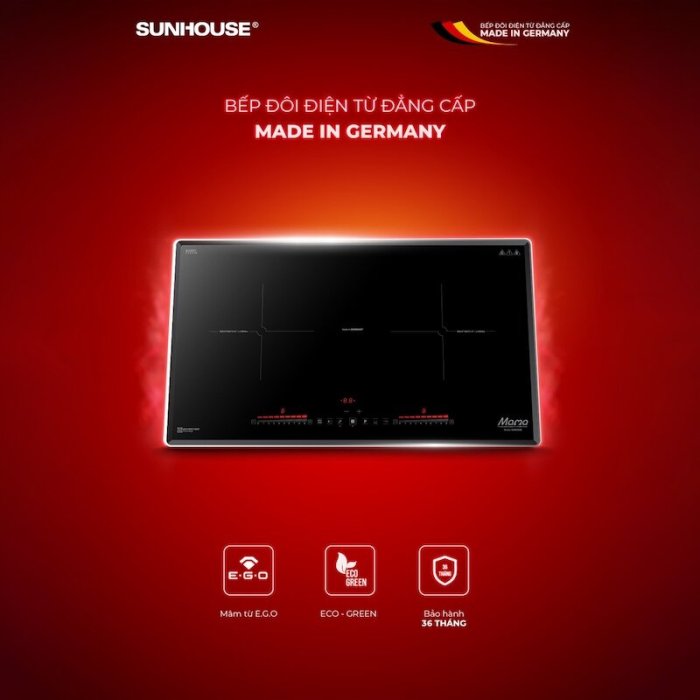
Japanese induction cooktops are designed for seamless integration into the broader kitchen ecosystem, prioritizing a harmonious flow of functionality and aesthetics. This approach emphasizes a holistic design philosophy that extends beyond the cooktop itself, considering the entire kitchen space as a unified system. The goal is to create a kitchen environment where each appliance complements and enhances the others, rather than creating isolated units.Japanese design principles of “Ma” and “Wabi-Sabi” are key elements in this integration.
“Ma” represents the empty space or interval that creates a sense of balance and allows elements to breathe, while “Wabi-Sabi” embraces the beauty of imperfection and natural materials. This translates into a deliberate use of subtle, understated design choices that allow the cooktop to fade into the background while still asserting its function and elegance.
Materials and Color Palette Consistency
The careful selection of materials and color palettes is crucial for achieving a unified aesthetic. Using similar materials for the cooktop, refrigerator, and oven—such as brushed stainless steel, wood, or stone—creates a cohesive visual experience. Neutral color palettes, often featuring grays, whites, and muted beiges, are commonly used to maintain a sense of calm and order, emphasizing the clean lines and minimalist approach.
This harmonious interplay between materials and colors is integral to the overall integration experience.
Interaction with Other Kitchen Components
The cooktop’s design often anticipates and accommodates interactions with other kitchen appliances. For example, the cooktop may feature integrated lighting systems or heating elements that complement the lighting and heating systems in adjacent appliances, like refrigerators and ovens. Careful attention is paid to the placement and layout of electrical outlets and ventilation systems to ensure a seamless flow between appliances.
Examples of Integrated Design
| Appliance | Integration Strategy | Aesthetic Impact |
|---|---|---|
| Refrigerator | Sleek, low-profile design; use of similar stainless steel or matte finishes; integrated cooling systems that match the cooktop’s temperature control; placement optimized for minimal visual disruption. | Creates a sense of continuity and streamlined functionality; reduces visual clutter. |
| Oven | Integrated control panels that share a common design language; matching color palettes and material choices to maintain visual cohesion; use of built-in storage and ventilation systems that coordinate with the cooktop. | Provides a unified look and enhances the functionality of the kitchen. |
| Microwave | Matching materials and finishes; integrated placement options that minimize the space between appliances, enhancing the flow and aesthetic. | A visually seamless experience; minimizes the perception of appliance separation. |
Sustainability and Functionality
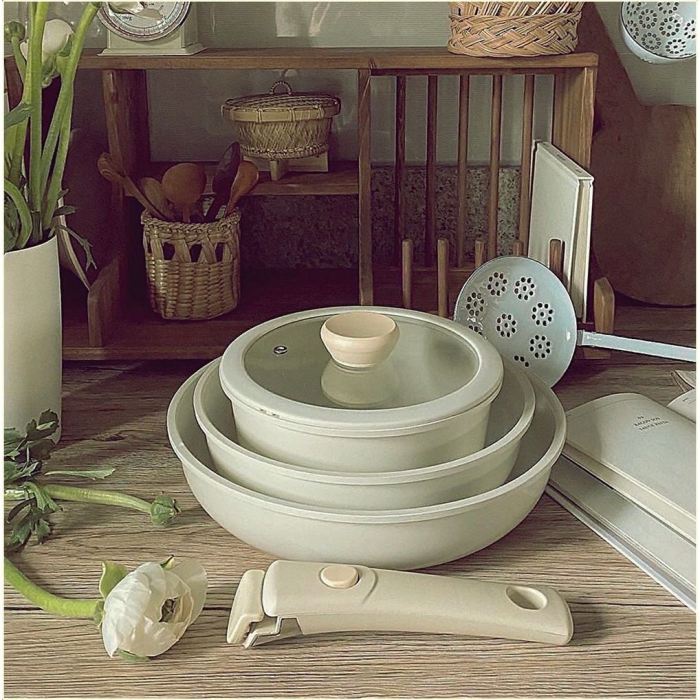
Japanese design, renowned for its minimalist elegance and meticulous attention to detail, often prioritizes sustainability and functionality. This ethos extends seamlessly into kitchen appliances, emphasizing materials that minimize environmental impact while maximizing practical utility. Induction cooktops, a cornerstone of modern Japanese kitchens, exemplify this balance, seamlessly integrating aesthetic appeal with eco-conscious choices and operational efficiency.Japanese design philosophy, deeply rooted in the concept of “侘び寂び” (wabi-sabi), embraces the beauty of imperfection and the transience of life.
This translates into a mindful approach to resource consumption and a preference for enduring, well-made products. Consequently, Japanese induction cooktops prioritize long-term value over fleeting trends, emphasizing durability and ease of maintenance alongside aesthetic appeal.
Sustainable Material Choices
Japanese manufacturers increasingly utilize recycled materials and renewable resources in the production of induction cooktops. This commitment extends to the entire product lifecycle, from raw material sourcing to end-of-life disposal. For instance, aluminum, a lightweight and readily recyclable metal, is frequently used in the construction of the cooktop surface, contributing to reduced material extraction and lower environmental impact.
Furthermore, some models incorporate components made from recycled glass or other post-consumer materials. This strategy aligns with a wider movement towards circularity and responsible material sourcing.
Functionality and Efficiency
Japanese design prioritizes operational efficiency. Induction cooktops, renowned for their speed and precision, contribute significantly to this goal. The rapid heating and cooling capabilities minimize energy consumption compared to traditional gas or electric cooktops. Moreover, the precise temperature control offered by induction cooking enables users to conserve energy by avoiding overheating. This functionality translates into tangible cost savings and a reduced environmental footprint.
Balancing Aesthetics and Practicality
Japanese design excels in harmonizing aesthetic beauty with practical considerations. Sleek, minimalist designs often feature seamless transitions between surfaces and components, contributing to a sophisticated aesthetic. The smooth, modern surfaces of induction cooktops, coupled with intuitive controls, not only enhance the overall aesthetic but also improve ease of use. This integration of form and function is a hallmark of Japanese design.
Contribution to a Sustainable Kitchen Lifestyle
Induction cooktops, with their emphasis on energy efficiency and sustainable materials, play a pivotal role in fostering a more sustainable kitchen lifestyle. By minimizing energy consumption, they reduce carbon emissions associated with electricity generation. Furthermore, the durability and longevity of well-designed induction cooktops minimize waste associated with frequent replacements. This translates into a smaller environmental impact over the lifetime of the appliance, aligning with broader Japanese design principles of resourcefulness and mindful consumption.
Global Appeal and Inspiration

The minimalist elegance and sophisticated functionality of Japanese induction cooktops are transcending cultural boundaries, captivating a global audience. This appeal stems from a deep-seated appreciation for design principles rooted in centuries-old traditions, subtly blended with modern innovations. Beyond the kitchen, the Japanese aesthetic is inspiring designers across diverse industries, influencing contemporary design trends and offering a fresh perspective on user experience.The Japanese induction cooktop aesthetic resonates globally due to its harmonious blend of form and function.
Clean lines, uncluttered surfaces, and a focus on efficiency are universally appealing, transcending cultural preferences. The emphasis on subtle sophistication, coupled with high-performance technology, creates a desirable product for consumers seeking both practicality and refined design.
Reasons for Global Appeal
The understated beauty of Japanese design resonates with a global audience. The emphasis on minimalism and clean lines is a universal language that speaks to consumers seeking simplicity and elegance. Furthermore, the meticulous attention to detail in the design process translates to a superior user experience, appealing to those who value both aesthetics and practicality. The inherent functionality of the cooktop, including its precise temperature control and safety features, further contributes to its global appeal.
Elements Resonating with a Global Audience
The core elements of Japanese design that resonate globally include a focus on natural materials, a commitment to functionality, and an emphasis on user experience. Natural materials, often in muted tones, create a calming and inviting atmosphere. The emphasis on functionality ensures that the product serves its purpose with precision and efficiency, which is valued across cultures. The user experience, driven by intuitive controls and minimal distractions, caters to a global demand for effortless and satisfying interactions.
Influence on Designers in Other Industries
The Japanese aesthetic is influencing designers in other industries, particularly those focusing on consumer electronics, architecture, and interior design. The meticulous attention to detail, the use of natural materials, and the emphasis on minimalism and functionality are highly sought after in contemporary design. The principles of harmony and balance, integral to Japanese aesthetics, are being integrated into the design of products ranging from home appliances to automobiles.
This translates to products that are not only beautiful but also user-friendly and durable.
Japanese Design Principles and Contemporary Trends
Japanese design principles, such as the concept of “ma” (negative space), “wabi-sabi” (embracing imperfection), and “kaizen” (continuous improvement), are shaping contemporary design trends. These principles encourage a mindful approach to design, emphasizing functionality and simplicity. The incorporation of “ma” into product design creates a sense of spaciousness and visual appeal, while “wabi-sabi” encourages acceptance of natural imperfections, leading to a more authentic and enduring design.
The principle of “kaizen” is fostering continuous improvement and innovation in design processes.
Comparison with Other Popular Design Styles
Compared to other popular design styles, the Japanese aesthetic shares similarities and differences. Similarities can be found in the emphasis on functionality and minimalism, often observed in Scandinavian design. However, the Japanese aesthetic is often characterized by a deeper sense of cultural context, a stronger connection to nature, and a more nuanced approach to aesthetics. In contrast to styles like Art Deco or Baroque, which prioritize ornamentation and elaborate details, Japanese design embraces restraint and subtle sophistication.
The use of natural materials and emphasis on harmony with nature also distinguishes it from more contemporary, technologically focused styles.
Final Wrap-Up
The Japanese induction cooktop aesthetic, a harmonious blend of functionality, minimalism, and sustainability, captivates with its elegant simplicity. The meticulous attention to detail, from material selection to integrated features, creates a cooktop that elevates the entire kitchen experience. This aesthetic transcends mere appliances; it’s a testament to a design philosophy that resonates globally, inspiring designers and homeowners alike.
